Advising on Power, Mining, Oil & Gas and Infrastructure Projects
Indonesia’s energy, natural resources and infrastructure (ENRI) sectors are shaped by evolving regulations, shifting investment ppriories and increasing project complexity. Nusantara DFDL works with investors, financial institutions, lenders, domestic & multi-national corporations on the structuring, developement and financing of projects, leveraging capability across ASEAN region.

Projects in this critical and regulated space of ENRI are governed by a combination of sector-specific rules, investment restrictions and approval processes that can vary depending on the industry and project structure.
Our work typically involves advising on licensing requirements across power, oil & gas and mining, along with foreign investment structuring, including PT PMA requirements and local content considerations. We also assist with land acquisition, permitting and environmental and ESG compliance, all of which play a key role in how projects move forward.
We service the complete value chain viz. early-stage structuring and regulatory approvals through to financing, contract negotiations to dispute resolution. The aim is to keep projects commercially viable while remaining aligned with the regulatory expectations and lender requirements.
Power projects depend on permits, grid access, PLN interfaces, offtake terms and tariff assumptions. Support covers renewable, conventional and captive power arrangements from development to operation.
Oil and gas clients need careful handling of SKK Migas, PSC, procurement, licensing and contractor arrangements. Nusantara DFDL supports upstream, midstream and service-sector matters.
Mining projects require clarity on IUP, IUPK, WIUP, divestment, reporting and reclamation obligations. Support covers diligence, acquisitions, operations and disputes across mineral and coal assets.
PPP and infrastructure projects require bankable allocation of construction, demand, land, tariff and government-support risks. Support covers procurement, concession terms, guarantees and long-term investor protection.
Project finance must align permits, security, cash flows, offtake and sponsor support. Advising lenders and sponsors helps reduce bankability gaps before financial close.
Land issues can delay otherwise viable projects. Support covers title review, location permits, land acquisition processes, spatial planning, environmental approvals and authority-facing coordination.
Environmental and social obligations increasingly affect project value. Advisory covers AMDAL, environmental approvals, reporting, community commitments, sanctions exposure and ESG controls for investors and operators.

Our practice regularly supports global investors across a broad range of industries. Recent experience includes:
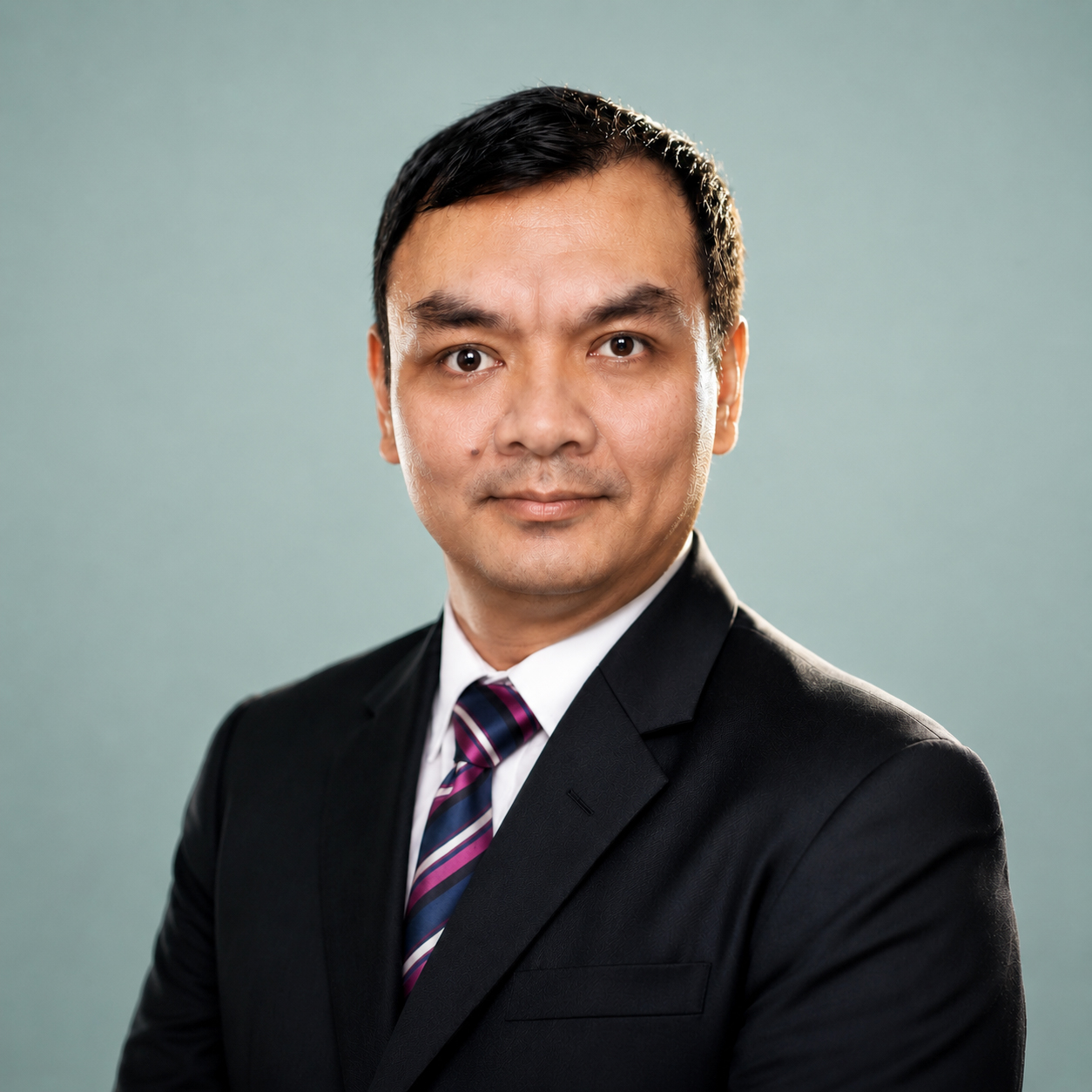
Afriyan Rachmad
Partner
Afriyan Rachmad advises multinational corporations, financial institutions, and Indonesian companies on regulatory, project, and dispute matters across energy, natural resources, and infrastructure sectors.
Practice Areas: Aviation & Logistics | Corporate and M&A | Dispute Resolution | Restructuring | Energy, Natural Resources and Infrastructure
SPEAK WITH Afriyan RachmadEnergy & infrastructure projects are complex owing to overlapping regulations, sector-specific licensing regimes, foreign investment limitations and evolving policy priorities, particularly in relation to energy transition.
Foreign investment is regulated under Indonesia’s Positive Investment List. Structures often involve PT PMA entities or joint ventures, depending on the sector and level of foreign ownership permitted
Key considerations include secure land rights, clarity of regulatory approvals, enforceability of project agreements and risk allocation that is acceptable to lenders.
Land-related issues can affect timelines significantly, particularly where there are delays in title verification, compensation negotiations or permitting.
ESG considerations are increasingly important, both from a regulatory standpoint and in meeting the expectations of international lenders and investors.
Growth is being driven by national energy transition goals, although project viability often depends on tariff structures, procurement processes and regulatory clarity.
Common risks include regulatory changes, land readiness, demand projections and how risks such as political events or force majeure are allocated.
Disputes are often resolved through arbitration, including forums such as SIAC or BANI, particularly for cross-border or large-scale projects.


